



Garnier New SkinActive Vitamin C Brightening Day Cream 50ml

PaxMoly probioties Mask Pack (25ml)

Loreal Paris Aura Perfect Day Cream SPF17 PA Plus 50ml


Missha Time Revolution Night Repair Ampoule Sx (Soml)


Guerniss Niacinamide 10% + Zinc 1% Serum

Johnson’s Face Care Daily Essentials Hydrating 24 Hour Day Cream With SPF15

COSRX Hyaluronic Acid Intensive Cream(100ml)

Cerave Skin Renewing Vitamin C Serum 30ml


Guerniss Vacation Lipstick


Guerniss Rouge Allure Velvet Matte Lipstick (BUY 1 GET 1)


Guerniss Eyebrow Pencil – Best Eyebrow Pencil for Perfect Definition & Shape (G/S)


Nior Red Carpet lip Color


Guerniss Soft Burnt Matte Lipstick – Best Long-Lasting Matte Lipstick


Guerniss Luxely Matte Lipstick


Guerniss Automatic Kajal Eyeliner Pen


Guerniss Matte and Poreless face powder
Guerniss Eyebrow Pencil – Best Eyebrow Pencil for Perfect Definition & Shape (G/S)
Guerniss Automatic Kajal Eyeliner Pen

Nior Waterproof Hypoallergenic Eyeliner 1.14 gm


Guerniss Matte Kohl Kajal Pen


Guerniss Matte Waterproof Liquid Eyeliner
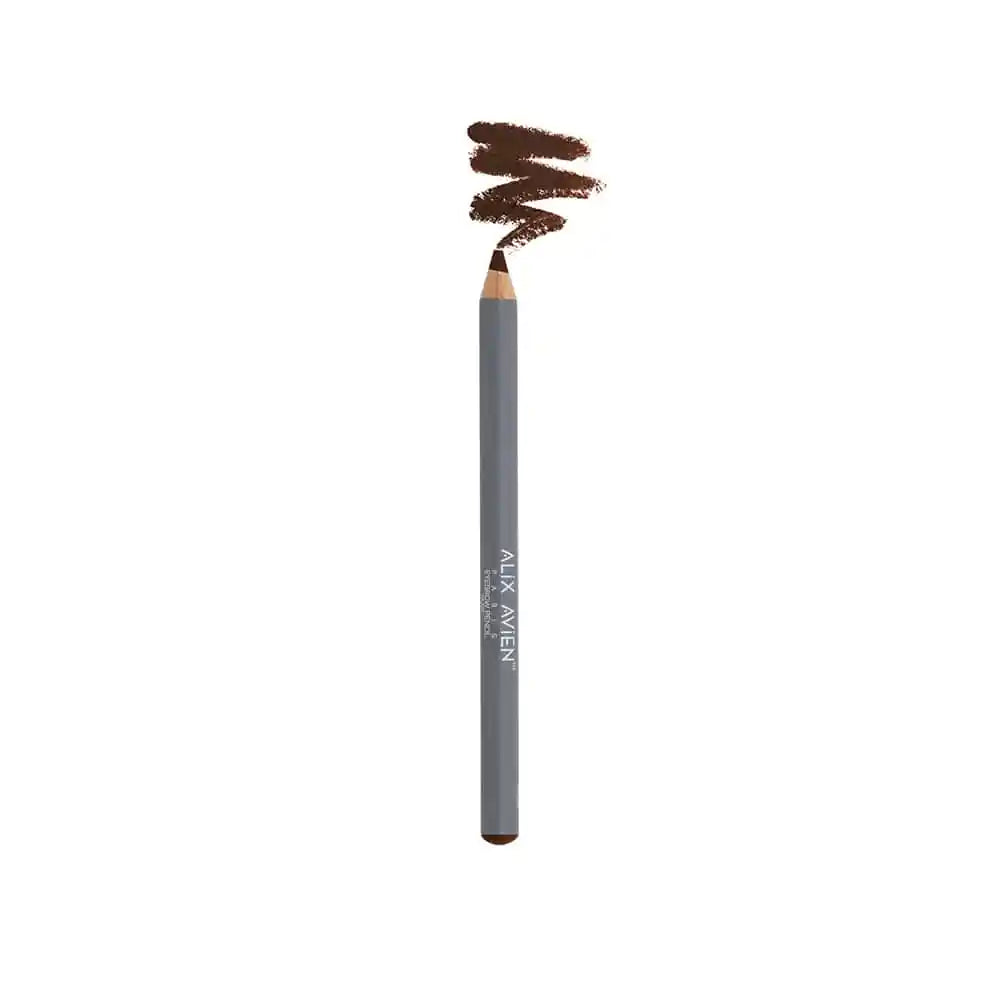

Alix Avien Eyebrow Pencil-Brown-1.29gm


Guerniss XXL Water proof Mascara 10ml


Guerniss Eye Ink Liquid EyeLiner 5ml


Neutrogena T/Gel Therapeutic Shampoo 125ml


Tresemme Keratin Smooth Heat Protection Spray 200ml

WishCare Hair Growth Serum 30ml


Ribana Organic Castor Oil 200ml
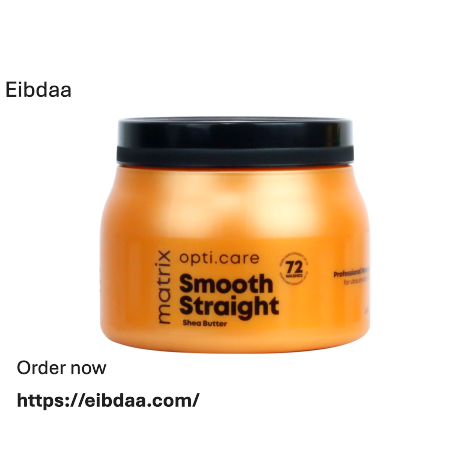
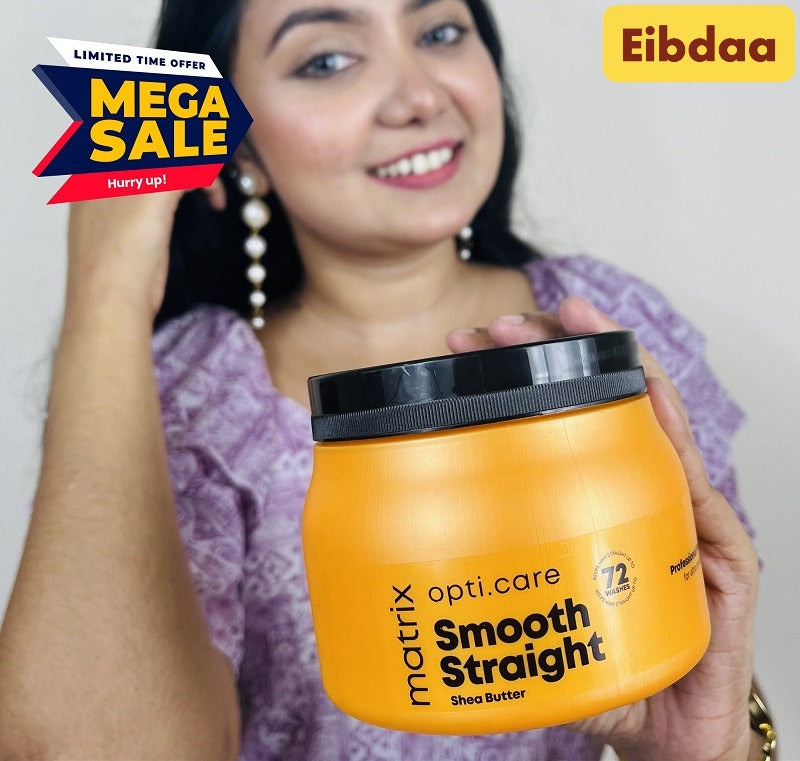
Matrix Smooth Straight Shea Butter Professional For Ultra Smoothing Hair Mask 490g

Finesse Restore + Strengthen Normal 2in1 Shampoo + Conditioner 384ml

Pert Complete 2in1 Shampoo + Conditioner 400ml

Neutrogena T/Gel Sensitive Scalp Anti Dandruff Shampoo 150ml

eibdaa Community
Your go-to Facebook group for all things beauty — from makeup and skincare to haircare essentials. Discover top products, beauty tips, and deals.

Get 10% OFF
Enjoy 10% OFF your first order! Use coupon code NEW10 at checkout and treat yourself to the best in makeup, skincare, and haircare.

Buy 1 Get 1
Pair text with an image to focus on your chosen product, collection, or blog post. Add details on availability, style, or even provide a review.


Shop High-Quality Makeup, Skincare & More at Eibdaa

Fastest Delivery
Enjoy the fastest delivery with eibdaa — your favorite beauty picks delivered to your doorstep in no time. We value your time as much as your style, ensuring a smooth and speedy shopping experience every time you order.

Authentic Product
We handpick every product to ensure it’s 100% original, made with premium ingredients and trusted by real beauty lovers. From quality to performance — we bring you only the best, so you can shop with confidence and wear it with pride.

24/7 Support
eibdaa offers 24/7 customer support to ensure a seamless shopping experience anytime, anywhere. Whether you have a question, need help with an order, or just want style advice — we’re always here for you.
Testimonials
Farhana Akter
I absolutely love the Guerniss Vacation Lipstick! The formula is so creamy and glides on smoothly. It stays on for hours without drying out my lips. The shade selection is stunning, making it perfect for both daily wear and special occasions. Highly recommend!

Tamanna Oni
This lipstick is amazing! The color payoff is rich, and it stays on for hours without drying out my lips. I love how comfortable it feels, and the shade selection is perfect for any occasion. Highly recommend for anyone looking for a long-lasting, vibrant lip color!
Moushumi Mou
This eyeliner is my holy grail! It glides on smoothly, dries quickly, and doesn’t smudge throughout the day. Even in humid weather, it stays perfect without fading. If you’re looking for a long-lasting, precise liner, this one is worth every penny!

Tamanna Oni
This serum has made such a difference in my skincare routine. My skin feels smoother and more hydrated after just a few weeks. The texture is lightweight and absorbs quickly, but the scent is a bit strong for my preference. Overall, a great product for brightening and moisturizing!


FAQ
Still have questions? Don’t worry — click on the ‘More FAQs’ button to explore more answers!

Can I pay cash on delivery?
Can I pay cash on delivery?
Yes cash on delivery option is available.
Delivery time?
Delivery time?
Delivery will take 1-3 days, home delivery.
Can I Exchange or return an item?
Can I Exchange or return an item?
Yes, if you are not satisfied with the product.
Beauty Tips 😉

How to Build an Effective Skincare Routine (Step-by-Step Guide)
Introduction:If you’ve ever felt overwhelmed by all the skincare products out there, you’re not alone. Standing in front of a shelf of cleansers, serums, and creams can be confusing – what do you really need, and in what order? The good news is that creating a skincare routine doesn’t have to be complicated. Think of it as giving your skin the daily love and care it deserves, just like brushing your teeth or combing your hair. In this step-by-step guide, we’ll walk you through how to build an easy, effective skincare routine from scratch. The tone is friendly and practical – as if you’re chatting with a trusted friend who’s sharing honest skincare tips. By the end, you’ll know exactly what to do each morning and night to keep your skin clean, hydrated, and protected for that healthy, radiant glow. Let’s dive in! Skincare 101: Why a Routine Matters Before we get into the “how,” let’s quickly talk about why skincare is important. Your skin is your body’s largest organ and its first line of defense against the environment. Daily exposure to sun, pollution, makeup, and dirt can take a toll. A consistent skincare routine helps give your skin the nourishment and protection it needs to stay healthy and glowing. Regular care can minimize dryness, reduce breakouts, and even slow down signs of aging over time. Plus, taking care of your skin just feels good – it can be a relaxing form of self-care at the start and end of your day. At its core, a good skincare routine only needs a few key steps: cleansing, moisturizing, and sun protection (sunscreen). Everything else (like toners, serums, masks, etc.) is additional, based on your personal skin needs. In fact, dermatologists agree that a basic routine for beginners has three essential components: a cleanser, a moisturizer, and a treatment product – and always sunscreen during the day. Don’t worry, we’ll explain each of these in detail. The goal is to keep it simple and effective. (Quick overview:) At minimum, you should cleanse your face, keep it hydrated with a moisturizer, and protect it from the sun. Once you have those down, you can add other products (like serums or exfoliants) to target specific concerns. Remember, consistency is key – caring for your skin every day will yield far better results than an elaborate routine you only do occasionally. Before You Start: Know Your Skin Type One of the first things to do when building a skincare routine is to understand your own skin. Knowing your skin type (and any specific concerns) will help you choose the right products that match your skin’s needs. Using products formulated for your skin type will make a big difference in how effective – and gentle – your routine is. Here are the common skin types and how to identify yours: Oily Skin: Your skin produces excess oil (sebum), causing a persistent shine, larger-looking pores, and frequent acne or blackheads. Makeup might slide off during the day. If you often notice your face becoming greasy by midday, you likely have oily skin. Dry Skin: Your skin often feels tight or flaky, especially after cleansing. You might experience rough patches or itchiness. Dry skin produces less natural oil, so it can look dull or feel rough without enough moisturizer. If your skin soaks up moisturizer and still feels a bit parched, you’re probably on the dry side. Combination Skin: This is a mix of oily and dry. Typically, combination skin means you have an oily T-zone (forehead, nose, chin) but dry or normal cheeks. Many people fall into this category. You might notice shine and occasional breakouts in the T-zone, while other areas feel normal or even dry. Sensitive Skin: Your skin is easily irritated and may react with redness, stinging, or rashes to certain products or weather changes. Sensitive skin can be oily, dry, or combination as well, but its hallmark is that it needs extra-gentle care. Fragrance or harsh ingredients often trigger irritation if you have sensitive skin. Normal Skin: “Normal” just means your skin is generally balanced – not too oily, not too dry, with minimal sensitivity. Lucky you! Even normal skin benefits from a routine to keep it healthy, but you typically won’t have extreme issues in any area. How to use this info: Once you know your skin type, choose products tailored to it. For example, if you have oily or acne-prone skin, you might opt for a lightweight gel or foaming cleanser that removes excess oil, and an oil-free moisturizer that won’t clog pores. If your skin is dry, you’ll want a creamy, hydrating cleanser and a richer moisturizer to lock in moisture. Sensitive skin types should look for fragrance-free, hypoallergenic products with soothing ingredients. Using the right products for your skin type will help your skin look and feel its best. Summary (Skin Type): Pick products that suit your skin. Oily skin often needs oil-free or gel formulas, dry skin craves richer hydration, and sensitive skin benefits from gentle, simple ingredient lists. The better your products match your skin’s needs, the happier your skin will be! Now that you’ve identified your skin type, let’s get into the actual routine, step by step. Step 1: Cleanse – Start with a Fresh Canvas Cleansing is the foundation of any skincare routine – it’s the step that clears away the dirt, oil, sweat, and makeup that accumulate on your face. If you do nothing else, washing your face is a must. Imagine trying to apply moisturizer or serum onto dirty skin; it wouldn’t absorb well and could even trap impurities. Clean skin is like a fresh canvas for the rest of your products. How to Cleanse: Use a gentle facial cleanser that suits your skin type. Splash your face with lukewarm (not hot) water and apply the cleanser using your fingertips, massaging in circular motions – be gentle, no scrubbing with rough washcloths or harsh exfoliants here. Take about 30 seconds to a minute to cleanse all over (forehead, nose, cheeks, chin, and don’t forget your jawline). Then rinse thoroughly with lukewarm water. Finally, pat (don’t rub) your skin dry with a clean, soft towel. Gentleness is key; over-scrubbing or using water that’s too hot can irritate your skin and strip away its natural moisture. Most dermatologists recommend washing your face twice a day – in the morning and at night. Here’s why: Morning: While you sleep, sweat and oils can build up on your skin, and your pillowcase might have some bacteria. A quick morning cleanse refreshes your face, removing any nighttime grime so you start the day clean. It also preps your skin for any products (like moisturizer or sunscreen) you’ll apply. Night: Cleansing at night is non-negotiable, especially if you wear makeup or sunscreen during the day. Throughout the day, your face accumulates makeup, oil, dirt, and pollution. Washing it off every evening keeps your pores from getting clogged and helps prevent breakouts. If you leave makeup on overnight, it can mix with oil and bacteria to cause acne – and even accelerate skin aging while you sleep. So, grab that cleanser each evening to give your skin a fresh start before bed. Makeup Removal Tip: If you wear heavy makeup or waterproof sunscreen, consider “double cleansing” at night. This means using a dedicated makeup remover or an oil-based cleanser first to dissolve makeup and sunscreen, then following up with your regular gentle cleanser to clean your skin itself. For example, you could use micellar water or a cleansing oil/balm to take off foundation, mascara, etc., and then do your normal cleanse. This two-step cleanse ensures all the gunk is gone without overly scrubbing your face. After a proper cleanse, your skin should feel clean but not overly tight or dry. If it feels squeaky and very tight, your cleanser might be too harsh – switch to something more gentle or hydrating in that case. Frequency: Generally, cleanse twice daily (morning and night). If you work out or sweat a lot during the day, it’s a good idea to wash your face afterward as well. Sweat can mix with dirt and trigger breakouts, so a quick post-exercise cleanse helps keep skin clear. Just use a mild cleanser and cool water if you need a mid-day wash. Don’t overdo it: Washing more than two times a day (except after heavy sweating) usually isn’t necessary and could dry out your skin. Also, avoid harsh scrubbing tools or gritty scrubs daily – scrubbing can irritate your skin and actually make issues like acne worse, not better. Trust the gentle approach; your skin will thank you. Quick Cleansing Tips (Summary): Use a gentle cleanser suited to your skin type (gel for oily, cream for dry, etc.). Wash twice a day – when you wake up and before bed – and always remove makeup at night. Be gentle: no rough scrubbing or scalding-hot water. Gently massage cleanser with fingertips, rinse, and pat dry. Double cleanse in the evening if you wear makeup or heavy sunscreen, to thoroughly clean your skin. After intense sweating, do a quick cleanse to clear perspiration and bacteria. Now that your skin is fresh and clean, it’s ready to receive the benefits of the next steps in your routine. Step 2: Tone (Optional) – The Refreshing Extra Toner is a skincare step that often confuses people – do you really need it? The answer: it depends. Toners are like a bonus step after cleansing, meant to gently refresh your skin, remove any last traces of impurities, and prep your face for better absorption of serums and moisturizer. In the past, toners were mainly astringent (think old-school alcohol-based toners that could be harsh and drying). Nowadays, toners come in many varieties, and a lot of them are alcohol-free and hydrating, focusing on soothing the skin. This step is optional, but if you pick the right toner, it can add a nice boost to your routine. What does a toner do? A toner is a liquid that you apply right after cleansing (and patting your face dry). It can help sweep away any residual dirt or cleanser that water might have missed. More importantly, today’s toners often contain beneficial ingredients to hydrate, calm, or gently exfoliate the skin. For example, you might find: Hydrating toners with ingredients like glycerin or hyaluronic acid to draw moisture into the skin (great for dry or sensitive skin). Calming toners with ingredients such as rosewater, chamomile, or aloe vera to soothe redness and irritation (nice for sensitive or irritated skin). Exfoliating toners with a small amount of chemical exfoliants like salicylic acid or glycolic acid. These can help keep pores clear and brighten the skin, which is useful for oily or acne-prone skin. (If you use an exfoliating toner, be careful not to pair it with too many other exfoliants in your routine to avoid overdoing it – more on exfoliation in a later section.) How to use: After cleansing, pour a little toner onto a cotton pad or into your clean hands. If using a cotton pad, gently swipe it over your face (avoiding the eye area) to apply the toner and pick up leftover debris. If using your hands, you can pat the toner onto your skin. You’ll feel an immediate refreshing, soothing effect. There’s no need to rinse off a toner – let it sink in. It only takes seconds, and your skin will be primed for the next steps. If you’re a beginner or have a very minimal routine, you can skip toner and still have great results. But if you’d like that extra fresh feeling or targeted benefits (like oil control or added hydration), a toner can be a nice addition. Just choose one that’s appropriate for your skin (for instance, an alcohol-free, hydrating toner for dry/sensitive skin, or maybe a mild exfoliating toner for oily skin that gets congested). Note: If your cleanser is very gentle and leaves your skin comfortable, toner isn’t a must-do step. It’s truly optional. On the other hand, if your skin tends to get oily buildup or you want every trace of makeup gone, a toner can ensure your skin is ultra-clean without over-washing. Some people also enjoy facial mists, which are essentially toners in a spray form that you can spritz on for hydration throughout the day. Toner Takeaways (Summary): Toner is applied after cleansing to remove residual impurities and prep the skin. It’s helpful but optional for most people. Choose a toner based on your needs: hydrating toners for dryness, soothing toners for sensitivity, or exfoliating toners for oiliness/acne (use with care). Apply with a cotton pad or pat on with hands; no need to rinse. It should leave your skin feeling refreshed and ready for serum/moisturizer. Step 3: Treat – Serums and Targeted Treatments for Your Skin’s Needs Here’s where you customize your routine to your skin concerns. After cleansing (and toning, if you do that), your skin is like a blank canvas ready to absorb potent ingredients. Serums and treatments are lightweight products formulated to deliver powerful ingredients deep into the skin. This step addresses specific issues like dryness, fine lines, dark spots, or acne. Think of serums as the “problem-solvers” or “boosters” of your routine. What is a serum? A serum is usually a thin, fast-absorbing liquid or gel packed with high concentrations of active ingredients. You apply it to clean skin so it can penetrate effectively. There are serums for just about every skin goal: hydrating serums, vitamin C serums for brightness, niacinamide for pores and redness, retinol for anti-aging, salicylic acid for acne, and so on. You do not need all of these! You can pick one or two serums that align with what you want to improve. For beginners, often one serum is enough to start. Common serums and treatments and what they do (choose based on your needs): Hydrating Serum (e.g., Hyaluronic Acid): Draws moisture into the skin, plumping it up and reducing flakiness. Great for dehydrated or dry skin, and even oily skin can use hydration. These serums make your skin instantly feel more supple. Vitamin C Serum: A morning favorite for many. Vitamin C is an antioxidant that brightens your complexion, helps fade dark spots over time, and can boost your skin’s defenses against sun damage (it pairs well under sunscreen). If you have uneven skin tone or dullness, a vitamin C serum in the AM can help skin look more radiant. Niacinamide Serum: Niacinamide (vitamin B3) is a versatile ingredient that helps with enlarged pores, uneven tone, and strengthening the skin barrier. It also can help calm redness and control excess oil. It’s gentle and works for most skin types – a nice “all-purpose” improvement ingredient. Acne Treatment (e.g., Salicylic Acid or Benzoyl Peroxide): If you’re dealing with breakouts, you might use a spot treatment or acne serum. Salicylic acid (a BHA) is great for acne-prone skin because it exfoliates inside pores to keep them clear. Benzoyl peroxide kills acne-causing bacteria. Typically, you’d apply these only on problem areas. For example, a thin layer of salicylic acid gel on your T-zone if you get blackheads, or a dab of benzoyl peroxide on a pimple to shrink it. (Be careful: benzoyl peroxide can bleach fabrics, so use white pillowcases or apply only once it’s fully absorbed!) Retinol or Retinoid: Retinol (vitamin A) is the gold-standard for anti-aging and also helps with acne. It speeds up cell turnover, which can reduce fine lines, improve texture, and unclog pores. Retinol is usually used at night because it can make your skin more sun-sensitive. If you decide to use a retinol cream or serum, start slow (e.g. twice a week at first) to let your skin adjust, because it can cause some dryness or irritation initially. This is a powerful ingredient for long-term skin benefits (many swear by it for keeping skin youthful), but it requires patience and diligent sunscreen use in the day. Eye Cream: This is a targeted product for the delicate skin around your eyes. If you have concerns like dark circles, puffiness, or fine lines (crow’s feet), an eye cream can be applied at this stage (either after your serum or instead of serum specifically on the eye area). It’s usually a gentler formula. Using your ring finger, tap a tiny amount of eye cream along the orbital bone (the bony area around the eye) – be very gentle, as pulling or tugging can contribute to wrinkles. Eye cream is optional, but some women love it as that area can show early signs of aging. Even simply keeping it moisturized can make eyes look brighter. Layering treatments: If you have multiple serums, apply thinner, water-based ones first, and thicker or oil-based ones after (this ensures absorption). However, applying too many at once can dilute their effectiveness or irritate your skin. A good rule of thumb is to not layer more than 2 serums in one routine (especially as a beginner). Often, one well-chosen serum is plenty. You can use one in the morning and a different one at night if you have multiple goals. For instance, you might do a vitamin C serum in the morning for glow and protection, and a retinol at night for renewal. Always follow the instructions for any active treatments – some (like strong exfoliating acids or retinoids) might not be used daily at first. And remember: if a product stings, causes redness, or breaks you out, stop using it. Not every product works for everyone. Patience is key: Many treatments, especially ones for acne or anti-aging, take time to show results. It might be a few weeks (often 4-8 weeks) before you notice a significant difference. Dermatologists say unless a product is clearly irritating your skin, give it at least a month of consistent use to gauge results. Using a product regularly is important – applying a serum sporadically won’t give the desired effect. So stick with your chosen treatment for a while and resist switching products every few days. Consistency will reward you with better skin over time. How to apply serums/treatments: After cleansing (and toning), while your face is still slightly damp is a great time (damp skin can enhance absorption for hydrating products). Take a few drops of serum or a pea-sized amount of treatment, and gently smooth it over your face (and neck, if needed). For spot treatments (like acne spot cream), just dab on the specific blemish. Let serums sink in for a minute or two before moving to the next step. You don’t need to fan your face or anything; just let it naturally absorb. Treatment Tips (Summary): Target your concerns: Pick a serum or treatment that addresses your main skin goal (e.g. vitamin C for brightening, hyaluronic acid for hydration, salicylic acid for breakouts). You don’t need a dozen – start with one good serum. Apply after cleansing (and toning): This ensures maximum absorption of those active ingredients. If you use multiple serums, layer from thinnest to thickest. Be consistent and patient: Use your treatment regularly (daily or as directed) and give it a few weeks to work. Avoid introducing too many new actives at once – add one at a time so you can see how your skin reacts. Gentle around the eyes: If using eye cream, tap it on lightly with your ring finger (the weakest finger) to avoid tugging that delicate skin. Patch test when unsure: If you’re trying a strong active (like retinol or an acid) for the first time, do a patch test on a small area of skin to ensure you don’t react badly. And when in doubt, less is more – you can always increase usage as your skin builds tolerance. By now, your skin has been cleansed and treated. Next, we lock in all that goodness with moisture and protect it from the elements. Step 4: Moisturize – Hydrate and Nourish Your Skin Every skin type – yes, even oily skin – needs moisturizer. Think of moisturizer as giving your skin a drink of water and sealing that hydration in. When your skin is well-moisturized, it’s smoother, plumper, and more resilient. Skipping moisturizer can lead to dryness, irritation, or your skin overcompensating by producing even more oil if it’s oily skin. The key is to choose a moisturizer that suits your skin type and use it consistently. Why moisturize? Throughout the day, your skin loses moisture. Cleansing, while necessary, can also remove some of the natural oils and hydration from the skin’s surface. Moisturizer helps to replenish water and oil to keep the skin’s barrier healthy. A healthy skin barrier (the outermost layer of skin) is like a strong wall – it keeps the good things in (moisture) and the bad things out (irritants and germs). If that barrier gets dried out or damaged, you’ll experience flakiness, sensitivity, or breakouts more easily. Regular moisturizing prevents that by keeping your skin balanced and comfortable. Choosing a moisturizer: Here’s what to look for based on skin type: Dry Skin: Go for a thicker cream or a balm. Look for ingredients like glycerin, hyaluronic acid, ceramides, and natural oils or butters. These will deeply hydrate and form a protective layer to prevent water loss. A rich moisturizer applied at night can do wonders for dry, flaky skin – you’ll wake up with a softer complexion. Oily or Acne-Prone Skin: Choose a lightweight, oil-free lotion or gel moisturizer. Non-comedogenic (won’t clog pores) is a must. Ingredients like aloe vera, hyaluronic acid, or gel-cream formulas provide hydration without heaviness. Avoid heavy creams that might feel greasy. Even if you’re oily, don’t skip moisturizer – keeping skin hydrated actually helps regulate oil production (remember, hydrated skin is healthy skin!). Many people find their oily skin becomes less greasy when they consistently moisturize, because the skin isn’t panicking from being stripped dry. Combination Skin: You might use a lighter moisturizer overall, or even multi-moisturize (a light lotion on the oily areas, and a slightly creamier one on the dry areas). But generally, a medium-weight moisturizer or gel-cream that balances hydration works for combo skin. Ingredients like niacinamide can help normalize oil production while still moisturizing. Sensitive Skin: Look for gentle, fragrance-free formulations with soothing ingredients (like chamomile, colloidal oatmeal, or ceramides). Avoid moisturizers with too many active ingredients or perfumes. Simpler is better to avoid reactions. A hypoallergenic cream that focuses on repairing the skin barrier will help reduce sensitivity over time. You might find you prefer a lighter moisturizer for daytime and a heavier one at night, and that’s perfectly fine. In the morning, something that absorbs well and sits nicely under makeup (if you wear it) is ideal. At night, you can slather on a more emollient cream since it can work overnight to deeply hydrate. When and how to moisturize: Apply moisturizer twice a day – once in the morning and once at night, after your serums/treatments. At night, it helps repair and replenish your skin as you sleep. In the morning, it hydrates and preps your skin for the day (and for makeup, if you use any, so it goes on smoothly). To apply, take a nickel-sized dollop (more if your skin is very dry, less if very oily) and gently massage it into your face using upward circular motions. Don’t forget your neck! The neck often gets the same environmental exposure as your face and can benefit from moisture and care. Also, a pro-tip: whatever is left on your hands, rub it into the back of your hands – they need love too and will stay softer with any extra moisturizer. Many moisturizers also come with added bonuses like antioxidants or minor SPF. If your daytime moisturizer contains at least SPF 30 and broad-spectrum protection, you might not need a separate sunscreen (we’ll talk more about sunscreen next). However, if it’s lower SPF or you prefer using a dedicated sunscreen, simply use a regular moisturizer, then apply sunscreen on top. Moisturizer and oily skin myth: If you have oily skin, you might be tempted to skip moisturizer thinking it will make you greasy. Actually, not moisturizing can trigger your skin to produce more oil because it feels dehydrated. The key is choosing a lightweight moisturizer. As one skincare advice states, “it’s a good idea to moisturize even if you have oily or combination skin — hydrated skin is healthy skin!”. When your skin is properly hydrated, it often becomes less oily and acne-prone over time, since the skin barrier is intact and not sending SOS signals for moisture. Moisturizing Musts (Summary): Moisturize morning and night to keep skin hydrated, soft, and resilient. Apply after serums/treatments to seal in those ingredients. All skin types need moisturizer: Dry skin benefits from rich creams; oily skin does best with oil-free lotions or gels (but still needs hydration). Choose non-comedogenic formulas if you’re acne-prone. Apply gently: Use an upward, circular motion to massage in your moisturizer. Don’t neglect the neck and jawline. Adjust for day/night: Lighter moisturizer (or moisturizer with SPF) in the day, and a nourishing cream at night to help repair skin. Listen to your skin: If your face still feels tight or flaky after moisturizing, you might need a more hydrating formula or an extra layer. If it feels greasy, scale back the amount or switch to a lighter product. The right moisturizer should make your skin feel comfortably supple, not oily or parched. With cleansing, treating, and moisturizing done, we have one absolutely critical step left for the daytime – protecting all your hard work with sunscreen. Step 5: Protect – Sunscreen, Your Skin’s Best Friend (Seriously!) If there is one step that people tend to skip but absolutely shouldn’t, it’s sunscreen. Wearing sunscreen daily is often called the best anti-aging and anti-damage move you can make for your skin – and it’s true. Sun exposure (specifically UVA and UVB rays) is responsible for a huge amount of skin aging (wrinkles, sun spots, loss of elasticity) and of course, skin cancer risk. The great news is that protecting your skin from the sun can dramatically slow down these aging effects and keep your skin healthier long-term. Think of sunscreen as the shield that keeps all the benefits of your skincare routine locked in and the environmental harm out. Dermatologists often say, “Sunscreen is the closest thing we have to a fountain of youth.” It really can slow down skin aging and help prevent skin cancer. So, even if you’re indoors most of the day or it’s cloudy, make sunscreen a daily habit. UV rays can penetrate windows and clouds, so unless you’re in a windowless cave, your skin catches some rays when it’s daylight. What to use: Look for a broad-spectrum sunscreen with at least SPF 30 (broad-spectrum means it protects against both UVA and aging rays and UVB the burning rays). SPF 30 filters out about 97% of UVB rays; higher SPFs block slightly more (SPF 50 blocks ~98%). Higher SPF can be helpful if you’re very sun sensitive, but anything 30 or above is generally fine for daily use as long as you apply it properly. Also consider your skin type and preferences: there are lightweight fluid sunscreens for oily skin, moisturizing sunscreens with added hydrators for dry skin, and mineral or “sensitive” formulas with zinc oxide or titanium dioxide if chemical sunscreens irritate you. How to apply: Sunscreen should be the last step of your morning skincare routine (before makeup, if you wear makeup). If your moisturizer doesn’t contain SPF, apply your regular moisturizer first, let it sink in for a minute, then apply sunscreen generously on top. Make sure to cover all exposed areas: your entire face (don’t forget the hairline and around the eyes – some sunscreens are formulated to not sting eyes), your neck, and even your ears if they’ll be exposed. A common guideline is to use about a nickel or quarter-sized amount for your face and neck combined, or the “two finger rule” (a line of sunscreen down the length of your index and middle finger) as an easy measure. Most people under-apply sunscreen, which can compromise the protection. It should feel like a nice even layer. Give it a few minutes to set before putting on any makeup on top; this helps it form an even protective film. If you’re using a moisturizer with SPF, you can often combine steps – just use that as your last step, but be sure you apply enough to get the stated SPF protection. When to apply and reapply: Apply sunscreen every morning as part of your routine. Reapply every 2 hours if you’re outdoors in direct sun, or immediately after heavy sweating or swimming. For day-to-day (like going to the office or running errands), many people apply in the morning and then might not reapply unless they are outside later. If you will be outside for lunch or have a long commute in a sunny car, consider reapplying to be safe. There are even sunscreen sprays and powders that can be used over makeup for touch-ups. The key point is, consistent use is far more important than perfect reapplication timing if you’re mostly indoors. Just don’t skip it in the first place. Also, remember to protect the rest of your body when needed – if you’ll be out in the sun, extend that SPF to your chest, hands, and any exposed skin. Wrinkles and sunspots can appear on the chest and hands too from sun exposure over the years. Sunscreen for all: No matter your skin tone – fair, medium, deep – sunscreen is important. There’s a myth that darker skin doesn’t need sunscreen. While it’s true that more melanin offers some natural protection against burns, people of color can and do get sun damage and skin cancer, and often it’s detected later because of this myth. Plus, UV rays cause cumulative damage to everyone’s collagen and can lead to uneven pigmentation in deeper skin tones. Bottom line: if you have skin, you need sunscreen. Fortunately, there are modern formulas now that don’t leave as much of a white cast on darker skin (look for “sheer” or “invisible” finish labels, or try mineral powders). Your future self will thank you for every day you wear sunscreen – it truly makes a visible difference over time in keeping your skin tone even and youthful. Sun Protection Summary: Apply SPF 30+ sunscreen every morning – no exceptions! Sunscreen daily is proven to slow skin aging and prevent damage. Use enough: Don’t skimp – a generous dollop for face and neck. It should be the last step in your AM routine (after moisturizing). Broad-spectrum is a must (protects against UVA & UVB). Reapply every 2 hours if in strong sun or outdoors. All skin tones need sunscreen: It’s not just about sunburn, but long-term health and even complexion. UV damage happens to everyone, and sunscreen is your best defense. Make it a habit: Keep your sunscreen near your moisturizer or makeup as a reminder. Over time, you’ll see fewer wrinkles, dark spots, and of course reduce your risk of skin cancer by being sun-smart. Phew – that covers the essential daily steps! To recap the daily routine so far: in the Morning, you’ll Cleanse, (Tone if you want), apply Serum (treatment), Moisturize, and then Sunscreen. In the Evening, you’ll Cleanse (remove makeup, possibly double cleanse), (Tone if you did in AM), apply any Night Serum or treatments (this is when you’d use retinol or stronger actives, since no sun), and Moisturize. Eye cream can be applied night and/or morning after serum, before moisturizer. It sounds like a lot written out, but in practice this routine only takes a few minutes each time once you get used to it. For example: Morning Routine Example: Cleanser – Wash your face to start fresh. (Toner – optional) Apply toner to prep skin. Serum/Treatment – e.g., vitamin C serum for brightness. Moisturizer – Lightweight lotion to hydrate. Sunscreen – SPF 30+ broad-spectrum protection. Night Routine Example: Cleanser (or Double Cleanse) – Remove makeup, then cleanse skin. (Toner – optional) to remove residual impurities and calm skin. Serum/Treatment – e.g., retinol or hydrating serum at night. Eye Cream – Dab gently around eyes (if using). Moisturizer – Nourishing night cream to repair skin. Feel free to adjust these steps to your lifestyle. Some people keep it to three steps (cleanse, moisturize, SPF) and their skin thrives. Others enjoy a 5-7 step routine as a self-care ritual. There’s no one-size-fits-all, but the core principles (clean, treat, hydrate, protect) apply to everyone. Bonus Step (1-2 times a week): Exfoliation & Masks – The Boosters In addition to your daily routine, you might consider a couple of weekly treatments to keep your skin in tip-top shape. These are not everyday requirements, but doing them occasionally can enhance your results and give your skin extra TLC. Exfoliation (1-3 times a week): Exfoliating means removing the layer of dead skin cells on the surface of your skin. When done properly, exfoliation can brighten your complexion, make your skin feel smoother, and even help your other products absorb better (since they’re not trying to get through a layer of dead skin). There are two main types: Physical Exfoliation: Using a scrub or tool (like a brush or textured sponge) to manually slough off dead cells. Examples include sugar scrubs, apricot scrubs, or cleansing brushes. If you use a physical scrub, be very gentle – choose one with fine, round particles (avoid very rough ones like walnut shell pieces, which can create micro-tears in the skin). Honestly, you can even skip physical scrubs altogether; many dermatologists caution that scrubbing can irritate your skin if overdone. If you love a scrub, use it infrequently and gently. Chemical Exfoliation: This sounds intense but can actually be gentler and more uniform. It involves ingredients like AHAs (alpha-hydroxy acids, e.g. glycolic or lactic acid) or BHA (beta-hydroxy acid, e.g. salicylic acid) which loosen the “glue” that holds dead skin cells together, allowing them to shed. Chemical exfoliants come in toners, serums, or masks. For instance, a glycolic acid toner used twice a week at night can help smooth and brighten skin. Salicylic acid is great for keeping pores clear in acne-prone skin. These do the exfoliating for you without any scrubbing motion. How often? If you’re new to exfoliating, start with once a week to see how your skin reacts. If all is well, you can increase to maybe 2-3 times a week. Exfoliation is typically done after cleansing but before heavy serums/moisturizers (or some exfoliants are in cleanser form, which you’d rinse off). Over-exfoliating is a common mistake – it can strip your skin and damage your skin barrier, leading to irritation, redness, or more breakouts. So don’t go overboard. You don’t need to exfoliate every day; your skin isn’t a bathtub that needs a daily scrub! Listen to your skin – if it becomes very sensitive or dry, cut back. Safety tip: If you use strong exfoliating acids, be extra diligent with sunscreen, as they can make skin more sun-sensitive. And do not use multiple exfoliating products on the same day (for example, don’t use a scrub and a glycolic acid on the same night – pick one). Again, gentle is effective. Face Masks (1-2 times a week or as a treat): Masks are a fun way to give your skin a concentrated dose of whatever it needs and to pamper yourself. There are many types of masks: Clay or Charcoal Masks: Great for oily or congested skin. These help draw out impurities and excess oil from pores. Use once a week on oily areas to help prevent breakouts and blackheads. Don’t let a clay mask completely dry out and crack on your face though – that means it’s pulling moisture out of your skin. Rinse it off when it’s just almost dry but still a bit tacky. Hydrating Masks: These could be creamy masks or sheet masks soaked in serum. Perfect for dry or tired skin. They infuse moisture and calming ingredients. You can do these a couple of times a week if you like, especially in dry weather or after travel. Exfoliating Masks: Some masks contain AHAs or enzymes (like pumpkin or papaya enzymes) to give a quick exfoliation. Use these sparingly (maybe once a week or every other week) and not on the same day as other exfoliants. They can brighten the skin but can tingle – always follow the time instructions and rinse off to avoid irritation. Sheet Masks: These are single-use sheets drenched in serum that you place on your face for 15-20 minutes. They can be hydrating, brightening, etc., depending on the serum. They’re a nice self-care treat – while not a must, they can boost hydration and are great before an event to plump up the skin. Masks usually come after cleansing and (if applicable) exfoliating, but before your final moisturizer. For instance, a night you do a clay mask, you’d cleanse, apply the mask, rinse it off, then continue with maybe a light serum and moisturizer. Or with a sheet mask, you cleanse, put on the sheet mask, remove it, pat in the excess serum from it, and then finish with moisturizer to seal it in. Weekly Extras (Summary): Exfoliation: 1-3 times weekly to remove dead skin buildup – it can be a gentle scrub or a chemical exfoliant. This helps keep skin glowing, but don’t overdo it. Over-exfoliating can damage your skin barrier and cause irritation, so stick to a moderate schedule that your skin tolerates. Masks: Use a face mask occasionally for a spa-like boost. Clay masks help with oiliness, hydrating masks soothe and plump the skin. They’re optional but can target specific needs or just be a relaxing treat. Listen to your skin: These extras should make your skin feel better (smoother, clearer, more hydrated). If something burns or causes a lot of redness, it’s not the right product for you (or you’re using it too often). Adjust frequency or type of product as needed. The goal is gentle improvement, not scrubbing your face raw. Tips for Success: Keeping Your Skincare Routine Effective and Enjoyable Building a skincare routine is one thing – sticking to it is another! Here are some final tips and tricks to help you maintain your new habit and get the best results: Start Simple: It’s okay if all of this sounds like a lot. If you’re a true beginner, start with just three core steps: cleanser, moisturizer, sunscreen. Do this consistently every day. Once you’re comfortable, you can introduce one new product at a time (like a serum for a specific concern). This way, you won’t overwhelm your skin or yourself. And if something causes a reaction, you’ll know what it was, since you added things gradually. Remember, a basic routine with cleanser, moisturizer and sunscreen benefits everyone – you can absolutely have great skin with just the basics done right. Consistency is Key: Fancy products won’t work if you only use them once in a while. Try to do your routine every morning and every night. Make it a little ritual – you can keep your products visible by your bathroom sink as a reminder. Consistency not only yields better results (most skincare takes weeks to show effects), but it also trains your mind that this is non-negotiable “me-time”. Unless you’re absolutely exhausted or in an emergency, try not to skip the night cleanse and moisturize. Think of it like brushing your teeth – a small daily effort for long-term payoff. As one dermatologist says, “When it comes to creating a skin care routine, consistency is also key… It takes at least 30 days to know whether it’s working”. So stick with it! Adjust and Listen to Your Skin: Your routine isn’t set in stone. You can adjust products seasonally or as your skin changes. For example, you might need a richer moisturizer in the winter when air is drier, and a lighter one in the humid summer. If you notice more breakouts, you might incorporate a salicylic acid product; if you’re suddenly drier, add a hydrating serum. Also, as the years go by, your skin’s needs may shift (what worked in your 20s might need tweaking in your 30s, etc.). Pay attention to how your skin responds and don’t be afraid to make small changes. Just avoid changing everything at once – one tweak at a time is the way to go. Avoid Trends and Harsh Tricks: You might see some viral skincare hacks (especially on social media) that promise instant results – be cautious. Many “quick fixes” can do more harm than good (like overly harsh exfoliation, DIY concoctions that irritate, etc.). Dermatologists often treat patients who damaged their skin by overusing trendy exfoliators or gadgets. It’s best to stick to proven basics and be gentle. If something sounds too good to be true (like a mask that will erase wrinkles overnight), it probably is. Your skin will reward a gentle, steady approach far more than an extreme one. Healthy Habits = Healthy Skin: Skincare isn’t just what you put on the outside – it’s also about your overall lifestyle. Try to get enough sleep (your skin repairs itself at night), drink plenty of water to stay hydrated from within, and eat a balanced diet with fruits, veggies, and healthy fats (nutrients like vitamins and omega-3s support skin health). Managing stress is important too; high stress can trigger acne breakouts or conditions like eczema and rosacea. Exercise (and then washing your face after exercise) can also boost circulation for a healthy glow. Think of these as extensions of your skincare routine – a holistic approach. You don’t have to be perfect (we all love pizza or have late nights), but the more healthy choices you make, the better your skin can look. It all works together. Always Remove Makeup: We said it earlier but it bears repeating – never sleep in your makeup. No matter how tired you are, taking 2-3 minutes to cleanse your face is worth it. Sleeping in makeup can clog pores and lead to breakouts, and even speed up skin aging (makeup particles plus environmental pollutants = oxidative stress on skin overnight). Keep some gentle makeup remover wipes by the bed as an emergency backup for the rare night you can’t do the full routine – but try not to rely on those regularly (they don’t cleanse as thoroughly as a proper wash). Your skin will thank you in the morning for going to bed clean. Don’t Forget Your Neck (and Chest & Hands): Often we stop our routine at the jawline, but the skin on your neck and chest (décolletage) is delicate and also shows age/sun damage. Apply your serums, moisturizers, and definitely sunscreen to those areas as well if they’re exposed. The same goes for the backs of your hands – a little leftover sunscreen rubbed there daily can keep hands looking youthful and free of dark spots over time. These areas get nearly as much sun as your face, so show them some love too. Patch Test New Products: When trying a brand new product, especially one with active ingredients (like a new retinol or acid), do a patch test first. Apply a small amount on your inner arm or along the jawline and watch for any adverse reaction over 24-48 hours. This way you can catch any allergies or major irritation before slathering it all over your face. Invest in Your Skin, Not Necessarily $$: You don’t have to spend a fortune for good skincare. There are excellent affordable products out there. What matters is using the right types of products consistently, not the brand name or price. A gentle cleanser, a basic moisturizer, and a reliable sunscreen are available at all price points. Of course, if you enjoy a high-end serum and it works for you, that’s great. But know that routine and ingredients matter more than fancy packaging. Also, sometimes simpler is better – fewer products means fewer potential irritants and an easier routine to stick to. When in Doubt, See a Dermatologist: If you have a specific skin concern that’s not improving (like stubborn acne, persistent hyperpigmentation, or a rash), or you’re just completely lost, consulting a dermatologist can help. These skin experts can recommend products, prescribe treatments if needed, and tailor advice to you. For example, severe acne might need prescription medication for best results, and issues like rosacea or eczema benefit from medical guidance. Don’t hesitate to seek professional help if something about your skin is really bothering you – dermatologists can create a routine and treatment plan just for you. Even one appointment can set you on the right track and save a lot of trial and error. Finally, remember that beauty is a journey, not a sprint. Building a skincare routine is an act of self-care and it should feel good, not like a chore. Enjoy those few minutes each day of pampering yourself. Over time, you’ll likely start to see positive changes: perhaps fewer pimples, more plump hydration, a bit of a glow, or just the satisfaction that you’re doing something nice for yourself each day. Celebrate those wins! And don’t stress over an occasional slip (if you crash one night without washing – just pick back up the next day). Conclusion: You’ve Got This Glow! Creating a skincare routine from scratch may seem daunting at first, but it boils down to a few thoughtful steps done consistently. Cleanse your skin gently, target your biggest concern with a serum or treatment, moisturize like you mean it, and never skip the sunscreen. With this formula, you’re well on your way to healthier, happier skin. Remember, the goal is not perfection – it’s improvement and care. Even small efforts, like washing your face every night and applying SPF daily, make a huge difference over time. Think of your skincare routine as a daily ritual of self-love. You’re not just improving your complexion – you’re taking time for you. As your trusted friend in this journey, I assure you that it’s okay to tailor things to what feels right. Some days you might do all the steps, other days maybe just cleanse and moisturize if you’re short on time. The key is to do the best you can, as often as you can. Your skin is uniquely yours, and with a bit of attention and care, it will respond positively. Be patient and kind to yourself – results won’t appear overnight, but with regular care, you’ll start to notice that natural glow, fewer surprise pimples, and skin that just feels good to live in. And when your skin is healthy, it’s one less thing to worry about, allowing you to face the world with confidence. So pour that cup of tea, put on a relaxing playlist, and enjoy your morning and evening skincare moments. You deserve it! Here’s to glowing skin and a confident you – now and in the years to come. Happy skincare journey! With a bit of consistency and the tips from this guide, you’ll become your own skincare expert in no time, and your skin will thank you every step of the way.
Learn more
Luxury Imported Cosmetics in Bangladesh – Trends, Brands & Buying Guide 2025
Bangladesh’s beauty enthusiasts are eagerly looking to buy luxury cosmetics in Bangladesh as global trends make their way to local shores. From imported skincare in BD to high-end makeup and fragrances, shoppers are seeking out authentic international products. In this comprehensive guide, we explore the current trends in luxury cosmetic imports, highlight popular brands and product categories, and explain how Bangladeshi consumers can access premium beauty products online in BD. We’ll also discuss unique angles like K-beauty and eco-conscious brands, local challenges like customs and counterfeits, and give tips for spotting authentic makeup in Bangladesh and finding trusted stores. Let’s dive into the glamorous yet savvy world of imported luxury cosmetics in Bangladesh. Bangladesh’s Growing Appetite for Luxury Cosmetics Bangladesh’s cosmetics market has expanded rapidly, and with rising incomes and global media influence, demand for imported luxury beauty products is surging. Despite a growing local industry, foreign brands still dominate about 60% of the cosmetics and toiletries market in Bangladesh. The overall beauty and personal care sector here is booming – valued at over BDT 350 billion (35,000 crore) and growing in double digits annually. This growth is driven by an urbanizing lifestyle and consumers’ desire for high-quality products. However, importing luxury cosmetics isn’t without hurdles. The government has imposed high tariffs on cosmetic imports (tax rates up to 184% on some items), aiming to encourage local products. These steep duties caused a 26% drop in cosmetics import value in early 2025 compared to 2024. Even so, Bangladeshi shoppers remain keen on foreign brands, often turning to personal shoppers or parallel imports when official channels fall short. Social media and beauty influencers further fuel this appetite by showcasing international trends and products. The result is a vibrant market where a Dior perfume or a K-beauty serum can become the next must-have item among Dhaka’s style-conscious crowd. Bangladeshi shoppers check out imported beauty products at an international cosmetics expo in Dhaka. Events like Cosmetica Dhaka 2025 highlight the growing demand for global beauty products. The trends in luxury cosmetic imports reflect global influences. Korean beauty (K-beauty) is one notable wave – South Korea’s cosmetics industry is a powerhouse, and K-beauty now ranks third globally with over $10 billion in exports in 2024. In 2025, Bangladesh hosted its first international cosmetics exhibition, Cosmetica Dhaka 2025, where more than 25 leading Korean beauty brands (like Beauty of Joseon, Cosrx, Some By Mi, etc.) participated. This shows how Bangladeshi consumers are embracing cutting-edge skincare and makeup from abroad, seeking the same “glass skin” glow and trendy looks popular in Seoul or New York. Popular Imported Beauty Brands and Categories in Bangladesh Which luxury cosmetic brands and products are making a splash in Bangladesh? Let’s look at the most popular categories – skincare, makeup, and fragrances – and the imported brands driving these trends: Skincare (Imported & K-Beauty): Skincare is at the forefront of the luxury beauty trend. Many Bangladeshi women (and an increasing number of men) now swear by multi-step skincare routines inspired by K-beauty. Korean skincare products have surged in popularity and imports in recent years. Gentle, hydrating formulas suited to our humid climate make brands like Cosrx, Some By Mi, Mizon, and Acwell favorites. Viral items such as Korean sheet masks, snail mucin serums, and fermented essences are coveted for their effective yet natural approach. Beyond K-beauty, Western luxury brands are also sought after – for example, Estée Lauder’s Advanced Night Repair serum or SK-II’s treatment essence are iconic skincare splurges for those seeking youthful, glowing skin. Many of these imported skincare products in BD claim eco-friendly or organic ingredients, aligning with a growing interest in clean beauty. Makeup & Celebrity Brands: In the makeup arena, celebrity-endorsed and influencer-founded brands rule the trend charts. Huda Beauty, founded by influencer Huda Kattan, has a huge fan following – in fact, it was named the world’s most popular beauty brand in 2025, which is reflected in Bangladesh as well. Huda’s eyeshadow palettes and liquid matte lipsticks often top wishlists. Similarly, Fenty Beauty by Rihanna (known for its inclusive foundation shades), Rare Beauty by Selena Gomez, and Kylie Cosmetics by Kylie Jenner have attracted Bangladeshi makeup lovers who follow global celebrity trends. Professional luxury brands like M·A·C Cosmetics are now more accessible too – MAC opened an official outlet in Dhaka via Sundora Beauty in Gulshan (a high-end neighborhood), fulfilling a long-time wish of makeup aficionados to get authentic MAC products locally. Other premium makeup favorites include Charlotte Tilbury, Dior and NARS, often procured through importers. The focus is on long-wear, high-pigment products that can withstand Bangladesh’s climate – think waterproof mascaras, matte setting powders, and bold lip colors that make a statement. Fragrances: No luxury beauty collection is complete without perfumes. Bangladeshi shoppers have developed a strong taste for imported fragrances, from French designer perfumes to Middle Eastern attars. Classics like Chanel No.5, Dior’s J’adore, or Yves Saint Laurent’s Black Opium are popular among those looking to invest in a signature scent. Niche and artisanal fragrances are also entering the market through grey import channels. There’s also a rising trend of Middle Eastern luxury perfume oils and ouds, reflecting cultural preferences. Premium perfume retailers such as Sundora and Perfume Bangladesh offer a range of authentic imported fragrances, and consumers are willing to pay a premium for originals. With fragrances, it’s all about authenticity – a genuine bottle not only smells divine but lasts longer, which is why discerning buyers stick to trusted sellers. Trending Beauty Angles: In addition to these categories, a few special trends deserve mention. Eco-conscious luxury brands – those focusing on natural, vegan, or cruelty-free products – are gaining a niche following. Brands like The Body Shop (which now has an official presence in Bangladesh) emphasize ethical beauty and attract consumers who care about sustainability. Similarly, “clean beauty” lines (free of certain chemicals) from luxury brands appeal to health-conscious buyers. And thanks to social media, any product endorsed by a beloved celebrity or beauty guru can spark a craze. For instance, if a Bollywood actress swears by a particular Swiss skincare brand, or a K-pop idol’s makeup look features a certain lipstick, Bangladeshi fans will be searching for those exact items the next day. This global connectivity means the Bangladeshi beauty scene stays on-trend with what’s happening in Los Angeles, Dubai, or Seoul – truly a premium beauty products online BD phenomenon! How to Buy Luxury Cosmetics in Bangladesh With so many coveted brands and products, how can shoppers in Bangladesh actually get their hands on them? Thankfully, accessing imported luxury cosmetics is easier now than ever, thanks to e-commerce and enterprising retailers. Here are the primary ways to buy these products: Bangladeshi E-commerce Platforms: Major online marketplaces like Daraz have dedicated beauty sections where many imported cosmetics are available. Daraz offers the convenience of local delivery and often features global products via its cross-border sellers or Daraz Global collection. When using such marketplaces, look for listings marked with “DarazMall” or official store badges, which indicate authentic products. Local beauty-focused e-commerce sites deserve a mention too – Shajgoj, Shopaholic, BanglaShoppers, Ohsogo, and others have built a reputation for selling 100% genuine cosmetics. These sites often source products directly from abroad or authorized distributors and clearly label items as “authentic” (Shajgoj even states it sources from brands/authorized distributors). By shopping on reputable Bangladeshi sites, you avoid the hassle of customs while still getting imported items. Global Online Retailers: Some seasoned shoppers order directly from international websites. Many global beauty retailers and brand websites ship to Bangladesh, or you can use third-party parcel forwarding services to bring in items. For example, the official Huda Beauty or Fenty Beauty website might deliver here (with shipping fees), and sites like Sephora or Amazon can be used via freight-forwarders. Be mindful of international shipping costs and import duties if you go this route – packages shipped by courier may incur customs taxes upon arrival. It’s wise to keep orders small to avoid large fees, and always use a reliable shipping method with tracking. Some Bangladeshi shoppers also use services where you provide the product link and a local agent manages the purchase and delivery for a fee, simplifying the process. AliExpress and Other Marketplaces: For budget-conscious buyers or hard-to-find Asian products, AliExpress (a China-based global marketplace) is an option. Many Korean, Japanese, and Western cosmetics are listed on AliExpress, often with sellers that ship to Bangladesh. Prices can be attractive and sometimes you’ll find niche products not available elsewhere. However, caution is key – make sure to buy from stores with good ratings and reviews, and understand that shipping can take several weeks. Also, stick to official brand stores on AliExpress if available (for example, some Korean brands have official AliExpress outlets). While AliExpress can offer genuine items, it’s also rife with counterfeits, so apply the same scrutiny you would on local platforms. Authorized Brand Stores and Retailers: As the demand grows, some luxury brands are establishing a presence in Bangladesh via authorized resellers or brand corners. We already mentioned MAC’s official outlet in Dhaka. Similarly, The Body Shop Bangladesh operates stores selling its international range with local pricing. Sundora is an upscale beauty store that brings in authentic high-end perfumes and cosmetics (sometimes in partnership with brands). Department stores and mall cosmetics counters (in places like Bashundhara City or Jamuna Future Park malls) sometimes host pop-up events for international brands. Keep an eye on brand social pages for announcements – e.g., when Clinique or Lancome runs a promotion through a local distributor. Purchasing from these official or authorized channels in-country is often the safest way to ensure authenticity and after-sales support. Trusted Resellers and Social Media Shops: A unique aspect of Bangladesh’s beauty market is the prevalence of Facebook/Instagram-based sellers who import luxury products in small batches. Many are run by cosmetics enthusiasts who travel or have supply chains abroad. If you choose to buy from individual resellers on social media, do thorough research: check their page reviews, customer feedback, and how long they’ve been in business. There are some well-known names in the beauty community that consistently deliver genuine products – often, word-of-mouth in Facebook beauty groups can guide you to the right seller. Always request original packaging, and don’t hesitate to ask questions about sourcing. Reputable resellers will be transparent about how they obtain products (for example, directly from Sephora USA or from a UK wholesaler). One red flag is an unbelievably low price – if a ৳8,000 Estee Lauder cream is being sold for ৳2,000, that’s a warning sign of a possible fake. In summary, Bangladeshi shoppers can access luxury cosmetics through a mix of local e-commerce, cross-border online shopping, and authorized retail. It’s a matter of preference and caution – each route has its pros and cons regarding cost, wait time, and authenticity guarantees. Next, we’ll explore some of the exciting trends shaping these purchases, and then discuss how to tackle the challenges that come with them. K-Beauty, Clean Beauty & Celebrity Lines: The Latest Buzz One cannot talk about luxury cosmetics trends without highlighting the unique angles capturing consumer imagination. In Bangladesh, three notable “buzz” trends are shaping import choices: the K-Beauty wave, the rise of eco-friendly luxury products, and celebrity/influencer beauty lines. K-Beauty Craze: Korean Beauty’s influence in Bangladesh is enormous and still growing. As noted earlier, K-beauty products are popular for their quality and innovative formulas – and local interest has official backing too. The Korean Ambassador to Bangladesh pointed out that collaboration is expanding as Korean brands see Bangladesh as a promising market. From gentle foaming cleansers to snail mucin moisturizers, these products suit Bangladeshi skin needs (such as tackling humidity, pollution, and hyperpigmentation issues). The popularity of K-beauty in Bangladesh can be traced back to the Korean pop culture wave; inspired by the flawless skin of K-pop and K-drama stars, many consumers adopted K-beauty routines. Imports of Korean beauty products have increased over the past few years due to their effectiveness, and local shops frequently stock brands like Innisfree, Etude House, Missha, and Laneige. Even newer or niche Korean brands find fans here thanks to YouTube and TikTok reviews. A great part of K-beauty’s appeal is that it often emphasizes natural ingredients and cruelty-free ethos, overlapping with the next trend – eco-conscious beauty. Eco-Conscious & Clean Luxury Beauty: Today’s luxury isn’t just about a fancy label – it’s also about values. A segment of Bangladeshi shoppers is gravitating towards green beauty – products that are organic, vegan, sustainably packaged, or free from harsh chemicals. Globally, many luxury brands have started “clean” lines or sister brands (for example, Chanel’s Sublimage line focuses on natural extracts, and Tata Harper or Drunk Elephant are high-end brands built on non-toxic formulas). Locally, while this is still a niche, awareness is rising. The presence of The Body Shop in Bangladesh is a testament to demand for ethical beauty; its products (like tea tree oil or shea butter range) are popular and position themselves as naturally inspired. Some consumers specifically seek out paraben-free, silicone-free skincare or makeup not tested on animals, even if it costs more. This trend is likely to grow as global discourse on sustainability increases. If you’re an eco-conscious shopper, look for labels like “cruelty-free”, “vegan” or certifications (e.g., Ecocert, Leaping Bunny) on luxury imports. Many premium brands now highlight these features, so you can indulge in self-care with a cleaner conscience. Celebrity and Influencer Brands: In the age of Instagram, beauty influencers and celebrities have become brand founders – and their products often spark trends worldwide, including Bangladesh. We’ve discussed Huda Beauty and Fenty Beauty which are huge here; to add, Rare Beauty (by Selena Gomez) and Rhode (by model Hailey Bieber) are two buzzworthy newer entrants that international beauty buffs talk about. These brands leverage the star power and social media presence of their founders – for instance, when Rihanna wore Fenty’s red lipstick at an event, that shade instantly got attention. Bangladeshi makeup lovers follow such moments closely and often try to snag these celeb-endorsed items through imports. Even classic luxury brands use celebrities as ambassadors (e.g., actress Charlize Theron for Dior, or Bangladeshi-British celebrity Konnie Huq fronting a skincare campaign), which boosts their appeal. The aspirational aspect can’t be understated – using a product loved by a star adds to the luxe experience for many consumers. Keep an eye on beauty influencers as well; local YouTubers and Facebook beauty groups in Bangladesh frequently review and recommend imported products. A single viral video about a “holy grail” foundation or anti-aging cream can drive up demand locally. In sum, the glitz and glam of celebrity beauty lines continue to shine in Bangladesh’s luxury cosmetics scene, making the shopping experience all the more exciting. Overcoming Challenges: Customs, Counterfeits & Smart Shopping While the world of luxury cosmetics is alluring, Bangladeshi shoppers face a few local challenges on their quest for the perfect imported lipstick or serum. The good news is that with awareness and some savvy tips, you can overcome these hurdles. Let’s address the two big challenges – customs regulations and fake products – and how to navigate them safely. Customs and Import Duties: If you’ve ever ordered an item from abroad or bought from a global website, you may have encountered Bangladesh’s import duties. Cosmetics and personal care items are often classified as non-essential luxury goods, attracting high taxes. Recent policies set very steep tariff valuations – some essential items like facewash and creams face total taxes up to 184%, which can more than double the cost of an imported product. This has a few implications. First, legally imported luxury cosmetics (through official distributors) will carry a high price tag to account for duties – expect that a brand’s product in a Dhaka store might cost significantly more than it would abroad. Second, heavy duties sometimes discourage direct importing by consumers due to the expense. And third, it sadly encourages some smuggling or undeclared imports, as traders try to avoid taxes. The Cosmetics Importers Association (BCTIA) even warned that unrealistically high tariffs could push buyers toward illegal channels and counterfeits. For consumers, the best way to handle this is: do your homework on pricing. If you order a pricey item from overseas, factor in roughly 30-60% extra for potential customs fees (the exact rate can vary by product type and declared value). Using postal services (EMS) sometimes avoids or lowers customs compared to courier services, but it’s not guaranteed. Buying from local e-commerce that have already imported the product can be cost-effective even if the sticker price seems higher, because they’ve handled the tax part. If you really want to import directly, consider consolidating items in one shipment to save on per-item overhead, or use a group buy where several people share the shipping. Being informed helps ensure you’re not caught off guard by a call from customs to pay charges on your luxury haul. Counterfeit and Fake Products: Perhaps the biggest challenge in the Bangladeshi market is the proliferation of counterfeit cosmetics. Unfortunately, a significant portion – up to 70% – of cosmetics sold in Bangladesh might be counterfeit or of substandard quality according to consumer rights groups. Local markets are flooded with look-alike products mimicking famous brands. There are even factories in Dhaka producing fake makeup that closely copies packaging of MAC, NARS, etc., making it hard for an untrained eye to tell apart. These fakes are not just a wallet issue; they pose health risks, as they often contain harmful ingredients like mercury, lead, or steroids. The situation has led to frequent raids – for example, in 2023 a mobile court in Chattogram seized large quantities of counterfeit Garnier, Ponds, and Dabur products being sold via Facebook. Even big supermarkets have been found with fake imported items on their shelves. Facing this challenge might sound daunting, but here are some smart tips to ensure you get authentic makeup and skincare products: Buy from Authorized or Reputable Sellers: This cannot be stressed enough. Stick to authorized retailers, official brand stores, or well-known e-commerce sites for luxury cosmetics. Sellers like Daraz Mall, Shajgoj, and brand boutiques have a reputation to uphold and guarantee authenticity. They are far less likely to risk selling fakes. If you’re buying from a smaller online shop or social media seller, ensure they have plenty of positive feedback from real customers. A quick online search of the seller’s name + “review” can reveal others’ experiences. Check Packaging and Labels: Authentic products usually have high-quality packaging. Look for tell-tale signs of fakes: spelling errors on the box, flimsy or cheap-looking print, or missing details like batch number, manufacturing date, expiry date, and manufacturer address. A genuine imported item will typically include these in English (and sometimes another language). As an example, the counterfeit products seized in Chattogram lacked proper dates and price tags. Also, many brands seal their boxes or have hologram stickers – absence of those when there should be one is a red flag. Compare Prices and Avoid Deals “Too Good to Be True”: While everyone loves a bargain, luxury cosmetics have fairly consistent pricing worldwide (differences come mainly from tax/shipping). If you see a high-end product at a fraction of its normal price, be skeptical. For instance, a ₳5,000 (Tk) Dior foundation selling for Tk1,000 on a Facebook page is likely a fake or expired item. It’s better to pay the correct price than risk a counterfeit that could harm your skin. If a deal seems amazing, ask the seller how they’re able to offer that – a transparent seller might explain it’s on clearance due to short expiry, which you can then verify. Verify Product Codes or Serial Numbers: Many luxury brands include codes that can be verified. Some have QR codes on packaging that link to an authenticity site, others have batch codes you can enter on the brand’s official website to check the manufacture date. Doing this check when you receive the item can confirm if the product is likely genuine (and also if it’s fresh stock or old). There are community-driven websites where you input batch numbers to see product info – those can be handy, though not foolproof for authenticity. Testers and Product Quality: If you have the opportunity (say at a physical shop or upon delivery before payment), examine the product itself. Authentic cosmetics generally have a certain texture and scent. Counterfeit makeup often feels or smells slightly off – for example, a fake high-end foundation might have a chalkier texture or a strong chemical odor. Perfumes can be trickier, but fakes may smell overly alcoholy at first or not last as long on the skin. If something about a product’s appearance or feel is noticeably different from what you expected (and you’ve used the genuine one before), you may have a counterfeit. Be Cautious on Open Market and Social Media: A lot of fakes circulate in places like certain Dhaka markets (e.g., shops in Chandni Chawk, or street vendors) and unverified Facebook pages. Unless you are very confident about a seller’s authenticity, it’s best to avoid buying luxury cosmetics from random sources. Illegal imports and counterfeits often come through these channels, and while law enforcement does conduct raids, many still slip through. When possible, buy sealed, branded products from stores that provide receipts – this gives you some recourse if the product turns out to be fake or bad. By following these precautions, you can significantly reduce the risk of ending up with fake or unsafe products. Remember that your skin and health are worth more than saving a few taka on a cheap knock-off. With the plethora of trusted online stores in Bangladesh for cosmetics, it’s never been easier to find the real deal. Brands and authorities are also working to improve the situation – for instance, calls for stricter regulation and quality checks are growing louder. So, with a bit of vigilance, you can enjoy your luxury beauty haul with peace of mind. Conclusion & Call to Action: Elevate Your Beauty Game The world of luxury imported cosmetics in Bangladesh is an exciting blend of glamour and savvy shopping. In 2025, Bangladeshi shoppers have more access than ever to the best that global beauty has to offer – whether it’s the latest K-beauty skincare marvel, a timeless French perfume, or a celeb-approved makeup palette. We’ve explored how trends like K-beauty and eco-friendly products are influencing tastes, and seen that despite hurdles like high import taxes and fake products, there are clear ways to buy authentic, premium beauty products online in BD and offline. Now it’s your turn to indulge responsibly. If you’re ready to elevate your beauty routine with some luxe additions, remember the tips from this guide. Do your research, choose your retailers wisely, and then go ahead and treat yourself! Perhaps start by browsing the curated collections on Daraz or checking out the new arrivals on Shajgoj – you might find that imported serum or lipstick you’ve been dreaming of. With each authentic product you add to cart, you’re not just spending money; you’re investing in a little bit of daily luxury and self-care that you truly deserve. In a country where personal style is increasingly celebrated, having access to the world’s top beauty brands means you can express yourself in fresh, confidence-boosting ways. So go ahead – embrace the aspirational luxury appeal of that designer fragrance or that high-tech anti-aging cream. Just do so armed with knowledge and caution, and your experience will be rewarding and safe. Ready to glow? Explore the world of luxury cosmetics and enjoy the journey – from unboxing that gorgeous package to the first time you wear it out, turning heads on the streets of Dhaka. Happy shopping and stay beautiful!
Learn more
Glow Up 2025: Clean Girl Makeup and Minimalist Beauty for Radiant Skin in Bangladesh
The world of beauty is constantly evolving, and one of the hottest trends right now is the “clean girl” makeup aesthetic – a look that emphasizes fresh, dewy skin and minimal makeup. This trend has taken social media by storm (the hashtag has nearly 2 billion views on TikTok!), and its signature features – glowy skin, a pinch of blush, glossy lips, and slicked-back hair – have inspired women. In Bangladesh, where heat, humidity, and pollution can make heavy makeup a challenge, the clean girl makeup trend is especially relevant. Women here are embracing this minimalist makeup routine as a way to achieve a natural glow that lasts, even in our tropical climate. In this comprehensive guide, we’ll explore what the Clean Girl Aesthetic is and why it’s trending globally, how to adapt it for Bangladeshi skin tones and weather, and walk you through a complete clean girl makeup routine (from skincare prep to makeup). We’ll also share pro tips on keeping that fresh look all day in hot, humid weather, plus answer some frequently asked questions in an AEO-friendly FAQ section. By the end, you’ll have all the natural glow skin tips and tricks you need to rock the clean girl look yourself – and love how your skin feels while doing it. Let’s dive in! What is the Clean Girl Aesthetic and Why It’s Trending Globally Simply put, the Clean Girl Aesthetic is a beauty trend all about looking effortlessly polished with minimal makeup. Think of it as the ultimate “no-makeup makeup” look: your skin appears naturally radiant, as if you just have great skin (and happen to wake up with fluffy brows and rosy cheeks!). Key components of the look include glowing, well-moisturized skin, very light coverage makeup, subtly enhanced features, and a few neat finishing touches like tidy hair and simple jewelry. It’s a look that says “I drink my water, I sleep 8 hours, and I have my life together” – even if, in reality, you achieved that glow with a bit of clever skincare and makeup. Why is this aesthetic trending globally? A few reasons stand out: Social Media Influence: The clean girl look went viral on TikTok and Instagram, with countless tutorials showing how to get that dewy, model-off-duty vibe. When a trend racks up billions of views, you know it’s caught on. Celebrities and influencers (like Hailey Bieber, to name one) have popularized the style by often appearing in public or online with minimal, glowing makeup. Minimalism is In: There’s a growing movement towards minimalist beauty routines. After years of heavy contouring and full-glam looks being in vogue, many women find it refreshing to simplify. The clean girl aesthetic fits perfectly with the “less is more” philosophy – it’s quicker, uses fewer products, and lets your natural beauty shine. Skincare-First Approach: This trend blurs the line between skincare and makeup. It emphasizes that good skin prep (cleansing, moisturizing, SPF) is the real star, and the makeup is just there to enhance. In a world where everyone is chasing that healthy “glass skin” glow, a makeup style that prioritizes skin health resonates with a lot of people. Universally Flattering: Perhaps most importantly, the clean girl look works for all ages and occasions. Whether you’re 21 or 45, you can adopt this style and look put-together without feeling overdone. It’s appropriate for work, daytime outings, and casual social events alike. Essentially, it’s everyday pretty – who doesn’t want that? Clean Girl Look Essentials at a Glance: (Here’s a quick rundown of what makes up the clean girl makeup vibe.) Fresh, dewy skin: Skincare is non-negotiable. Expect a well-moisturized, hydrated complexion with a natural glow (not oily shine). Lightweight base: Heavy foundation is avoided. Many clean-girl enthusiasts wear no foundation at all – or use a sheer skin tint or BB cream just to even out tone. Concealer is used sparingly on spots or under-eyes as needed. Natural, fluffy brows: Instead of harshly defined “Instagram brows,” the clean look features groomed but soft eyebrows. Often just a clear or tinted brow gel is used to brush them into place, keeping their natural shape. Subtle flush and highlights: A touch of cream or liquid blush on the cheeks gives that healthy, flushed-from-within effect. Highlighter (if used) is very soft and pearly, placed on high points of the face for a gentle sheen. No heavy contouring or blinding shimmer – everything is blended to look like it’s coming from within. Minimal eye makeup: Eyes are kept simple. You might curl your lashes and apply one coat of mascara for definition. Eyeliner is usually optional or kept very thin/natural. Eyeshadow is typically in neutral tones if worn at all. The goal is to brighten the eyes without obvious makeup. Glossy, nourished lips: Say goodbye to ultra-matte, drying lipsticks. Clean girl makeup favors lip gloss, tinted balms, or comfortable satin lip colors in neutral or pinkish tones. The lips should look hydrated and softly pigmented – like you’ve just applied a nice lip balm (you can even simply use petroleum jelly or clear gloss for that juicy look). Sleek hair & simple accessories: While not part of makeup per se, the overall aesthetic often includes pulling your hair back into a neat low bun or high ponytail, or using a claw clip to keep it tidy. This not only looks chic but also lets your face take center stage. Jewelry and outfits are kept minimal and clean-cut (think small gold hoops or studs, basic classic outfits in neutral colors). These extras frame your face without distracting from that fresh glow. It’s easy to see the appeal. The clean girl aesthetic makes you look put-together yet natural – like the best version of yourself. No wonder it’s all over social feeds and Discover pages worldwide! But how do we translate this trend to work for Bangladeshi women, who have our own unique climate and skin considerations? Let’s get into that next. The Clean Girl Look in Bangladesh: Skin Tones, Humidity, and Pollution Considerations Adopting the clean girl makeup trend in Bangladesh requires a bit of localization. Why? Our weather and environment play a big role in how makeup wears on the skin. Plus, Bangladeshi women have beautifully diverse skin tones – from light beige to golden tan to deep caramel – and we want this minimalist look to enhance every complexion. Here’s how climate and skin factors come into play: • Heat & Humidity: If you’ve lived through a Dhaka summer (or basically any time outside the brief winter), you know our climate is hot and humid. High humidity means you’ll likely sweat and produce more facial oil. Layering heavy foundation or cream products on a hot day here can feel suffocating and look patchy by noon. In fact, dermatologists often advise that in high-humidity environments, less is more – layers of heavy makeup will struggle in our weather; they can literally melt off or clog your pores when you sweat. The clean girl aesthetic, with its lightweight approach, is almost made for this climate. By wearing minimal, breathable makeup, you allow your skin to handle the heat without a mask of product sliding around. Tinted moisturizers or serum foundations (which are very light) won’t turn cakey as the day goes on. And if you do get a bit shiny, that dewy finish just adds to the look (a little glow is okay!). Pro Tip: If you have extremely oily skin or it’s a super-humid day, set your T-zone with a translucent powder or use a setting spray to keep your minimal makeup in place. But you’ll still feel much more comfortable than if you were wearing a heavy, full-coverage foundation in this weather. • Skin Tone Diversity: Bangladeshi women span a range of skin tones and undertones. The global images of the clean girl trend often show one type of look, but rest assured – you can absolutely rock this aesthetic whether you have fair skin or rich deep skin. The key is to use products that flatter your tone. For example, choose a skin tint or concealer that exactly matches your skin (since we’re using so little, the shade must blend perfectly). For blush, a rosy nude might be a clean-girl staple on a fair Western influencer, but for deeper tan skin, a peachy or warm terracotta tint might look more “natural” as a flush. Likewise, pick a highlighter that suits your undertone (champagne or gold highlighters beautifully complement medium to deep South Asian skin without leaving a silvery cast). The goal is to enhance your own features: glossy caramel-toned lips on a deeper complexion, or maybe a sheer pink on a lighter one – whatever mimics your healthy, natural glow. One advantage of this trend is it doesn’t mask who you are; it celebrates it. Also, no heavy contour means we’re not artificially trying to reshape our features – just subtly defining. Embrace your skin tone by using sheer washes of color that let it shine through. And a note on sunscreen: many sunscreens can leave a white cast on darker skin, which is a no-no for a clean look. Look for gel formulas or sunscreens that come in transparent or brown-tinted finishes (plenty are available now) so that your SPF doesn’t make you look ghostly. When your base is right, the rest of the look will fall into place beautifully. • Urban Pollution and Skin: Living in cities like Dhaka means dealing with pollution – dust, smog, and all that fun stuff in the air. This can clog pores and dull your skin over time. Following the clean girl approach can actually help here: because you’re wearing fewer layers of makeup, there’s less opportunity for dirt to mix with makeup and congest your skin. However, you must prioritize cleansing and skincare. At the end of the day, remove everything thoroughly. Even minimal makeup needs to be washed off, along with the sunscreen and grime of the city. A gentle oil-based cleanser or micellar water followed by a mild face wash (the classic double cleanse) will ensure your skin can breathe at night. Also, consider incorporating an antioxidant serum (like vitamin C) in your morning routine – this can help combat pollution’s effects and keep your skin bright under that sheer makeup. Another issue is sweat mixing with pollutants can irritate skin; so carrying facial wipes or just washing with water mid-day (if you’re outside a lot) can refresh your face without ruining your makeup (since you’re not wearing much to begin with!). Pro Tip: Always apply a moisturizer or primer that creates a bit of a barrier on your skin before makeup – some daily creams are formulated with anti-pollution ingredients. Even a basic moisturizer + SPF creates a protective layer so particles are less likely to penetrate. Think of your skincare as the shield, and your minimal makeup as just the pretty topping. This way, you’ll get that “clean skin” effect even in a not-so-clean environment. In short, adapting the clean girl aesthetic for Bangladesh means keeping things light, breathable, and tailored to you. Use the climate to your advantage – a little healthy sweat can translate to a dewy glow (just don’t forget to blot if it’s excessive). Embrace your unique skin tone by choosing complementary sheer colors. And guard your skin from the elements with good skincare habits. Now, let’s move on to the exciting part: building your own clean girl look step by step! A Complete Clean Girl Makeup Routine for Bangladesh (Skincare Prep + Light Makeup) Ready to achieve the clean girl glow for yourself? It all starts with skincare prep, then moves into minimal, strategic makeup application. The beauty of this routine is that it’s quick and easy – perfect for busy mornings – and it works with our Bangladeshi climate instead of against it. Below is a step-by-step clean girl makeup routine tailored for Bangladesh: Start with fresh, clean skin: Begin by cleansing your face with a gentle face wash suited to your skin type. In the morning, a mild cleanser (gel or foam) will remove any oil or sweat you accumulated overnight. Pat your skin dry with a soft towel. If you like using toner, swipe that on next to balance your skin’s pH – but keep it alcohol-free and gentle. Clean skin is your canvas; it helps the next products absorb better and ensures you’re truly showcasing your skin (not yesterday’s makeup leftovers!). Hydrate and prep your base: Apply a lightweight moisturizer to keep your skin plump and hydrated. Even if you have oily skin, don’t skip moisturizer – hydration actually helps control oiliness by preventing your skin from overcompensating. If you’re very oily, choose a water-based gel moisturizer that won’t feel heavy. Give it a minute to sink in. Next, smooth on a broad-spectrum sunscreen (SPF 30 or higher). This is crucial in Bangladesh’s sun – you want to protect your skin from UV rays every day to maintain an even, glowing complexion (sun damage = dullness and spots, not cute!). Go for a non-greasy, fast-absorbing sunscreen that doesn’t leave a white cast. Tip: Many modern sunscreens dry to a natural finish, almost like a primer, which is perfect under makeup. Let the sunscreen set for a couple of minutes. If you have large pores or want extra longevity, you can apply a primer at this stage (a small amount, focusing on T-zone). Primer is optional, but a mattifying one on the nose/forehead can help the minimal makeup stay put in our humid weather. Skip heavy foundation – use a sheer base or none at all: The clean girl mantra: skin first, foundation optional. If you’re comfortable, you can skip foundation entirely and move to the next step (just use a concealer later on any blemishes). If you prefer a bit of coverage, choose a **tinted moisturizer, BB/CC cream, or a light skin tint that matches your tone. Apply a few drops or a pea-sized amount and spread it thinly over your face using your fingers (for the most natural finish) or a damp sponge. The idea is to even out your skin slightly, not cover it up. You should still see your freckles or your natural skin texture – that’s what makes it look real. If you used the right amount, your face won’t feel “made up” at all. Another great option is a serum foundation or “foundation drops,” which are popular now – these are ultra-light foundations infused with skincare ingredients, available on eibdaa.com and elsewhere, that provide a your-skin-but-better effect. Remember: less is more. Start with a thin layer; you can always add a touch more on areas that absolutely need it. But in general, let your skin breathe. Conceal strategically (only if needed): After your sheer base, take a look in the mirror. Do you have dark circles or a spot that’s still bugging you? If so, dab a concealer only on those areas. Use a lightweight, creamy concealer that blends seamlessly. Tap it in with your ring finger or a tiny brush/sponge until it disappears into the skin. The key here is spot concealing – we’re not drawing huge triangles under the eyes or carving the face, as heavy Instagram makeup would. Just a dot where needed and blend, blend, blend. If your skin is having a great day, you might skip concealer altogether! It’s totally fine if a bit of natural skin shows through – that’s the charm of the clean look. Your face will look more real and youthful if you don’t blank it out with full coverage. Cream blush for a natural flush: Here’s where the magic really comes – a touch of cream or liquid blush will bring your face to life. Choose a blush color that resembles a natural flush on your skin (for many, a soft rose or peach works). Smile and dab a small amount on the apples of your cheeks, then blend upward towards your cheekbones with your fingers. Cream blush melts into the skin and looks way more natural than powder. It gives that lit-from-within flush, like you just had a little jog or are blushing. You can also add a tiny bit across the bridge of your nose for a sun-kissed hint (totally optional, but some like the youthful effect it gives). One bonus: you can often use the same product on your lips as a light stain – yay for multi-use! The result should be a soft wash of color that instantly makes you look healthy and happy. (If you only have powder blush, you can use it lightly, but make sure your base is completely dry or set with a touch of powder first so it doesn’t grab and look patchy.) Illuminate (the right way): To get that coveted glow, you might want to use a highlighter – but choose wisely. Opt for a liquid or cream highlighter (or even a face oil or balm can do the trick) that isn’t sparkly, just glowy. Dab a little on the high points of your face: the tops of your cheekbones, brow bones, and a touch on the bridge of your nose. Blend it well with your finger so it looks like moisture on your skin, not makeup sitting on top. A good highlighter in the clean look should be nearly invisible except when it catches the light. If your skin is very oily, you can skip highlighter to avoid looking greasy – your natural dew might be enough. Another hack: instead of highlighter, use a hydrating mist or dewy finish setting spray at the end of your routine to give an all-over subtle glow. Remember, we want a “glazed” healthy sheen, not glitter. Groom the brows: The eyebrows frame your face, and a clean-girl brow is soft but defined. First, brush your brows into place with a spoolie (little mascara-wand-like brush). If you have full brows, you might get away with just a clear brow gel to set them in a nice shape (brush them slightly upward and outward for a lifted look). If your brows are sparse, use a micro eyebrow pencil or a brow powder lightly to fill any gaps with hair-like strokes. Keep the shape natural – focus on lengthening the tail or filling the arch, but avoid over carving the inner part (that faded, natural start of the brow is key to looking low-key). Finally, you can run a tinted brow gel through to add a little fluffiness. Well-groomed brows instantly make you look polished without seeming like you tried too hard. Define the eyes (lightly): You’d be surprised how awake you can look with just a couple simple steps on the eyes. Curl your eyelashes with a lash curler (game changer for opening up the eyes!). Then apply a coat or two of mascara – black for drama or brown for an ultra-natural vibe. Focus on lifting and separating the lashes; clumpy lashes are not the goal. You can skip mascara on the lower lashes if you want to keep things fresh (and to avoid smudging in humidity). Eyeshadow is totally optional – if you choose to, stick to neutral tones close to your skin color, maybe a soft beige or a taupe in the crease for a tiny bit of depth. Usually, clean girl makeup involves little to no eyeshadow, or something very subtle like a wash of a single nude color or a touch of shimmer on the lids. Eyeliner is also optional; if you love your liner, you can do a very thin line on the upper lash line or a tiny flick at the outer corner for lift – but keep it minimal. A popular trick is to tightline (apply eyeliner between the lashes or on the upper waterline) to make lashes look fuller without obvious liner. Overall, the eyes should look bright and fresh. A nude/beige eye pencil on the lower waterline can help reduce any redness in the eyes and make them look bigger and more awake. Your lips but better: For lips, the motto is hydrated, plump, and softly tinted. Start with a lip balm to make sure your lips are smooth. Then choose either a clear gloss, a lightly tinted lip oil, or a sheer lipstick/balm in a MLBB (“my lips but better”) shade. This could be a pinkish nude, a soft coral, or even just clear gloss depending on your skin tone and preference. The idea is your lips should look like you’ve been sipping water all day (i.e., not dry) and have a healthy natural color. One trendy choice is to use a lip tint that gives a blotted, just-bitten effect (these tend to last longer through the day). If you used a cream blush in a nice color, you can even tap a bit of that onto your lips for a perfectly coordinated, monochromatic look. Avoid heavy lip liner or super matte formulas here – those would contradict the effortless vibe. A touch of shine on the lips also makes the whole face look more youthful and dewy. Set and finish (optional): Evaluate your final look. The goal is a radiant, skin-like finish. If you’re happy with the dewiness and can handle a bit of shine, you might not need any powder. But if you know you’ll get oilier throughout the day or you’re stepping out into Dhaka humidity, it’s wise to set key areas. Lightly dust a translucent setting powder on your T-zone (forehead, nose, chin) to prevent excessive shine there. Leave the cheeks glowing if you can – that keeps the look vibrant. Alternatively, use a makeup setting spray (preferably one that’s hydrating or meant to give a dewy finish, since matte sprays might defeat the glow). A few spritzes will lock in your minimal layers and also take away any “powdery” residue, ensuring your skin looks like skin. As a finishing touch, many clean girl enthusiasts also spray a refreshing face mist (like rosewater or aloe mist) right after makeup to amp up the glow – just don’t drench, a light mist will do. Now, don’t forget your hair: part of looking put-together is taming the mane. You can quickly brush your hair into a sleek low bun or ponytail, or even a loose braid. If you have a few minutes, slick back any flyaways with a bit of hair serum or light hairspray for that truly “clean” hairstyle. And if you’re into accessories, pop on some simple stud earrings or small hoops. These little steps complete the aesthetic. Pro Tip: The clean girl look is meant to be quick. This whole routine can be done in about 10 minutes once you get the hang of it! To speed up your morning, organize your minimalist makeup kit so you aren’t digging through piles of products. Really, you only need a handful of items for daily use: cleanser, moisturizer, SPF, skin tint (or concealer), blush, brow gel, mascara, lip balm. Keep these essentials in one place. And remember, all of these goodies – from lightweight sunscreens to sheer foundations and cream blushes – can be found on eibdaa.com. Shop your minimalist beauty must-haves now on eibdaa.com! It’s time to embrace the “less is more” approach and still feel absolutely gorgeous. Tips for Maintaining a Fresh Look in Hot Weather One thing about Bangladesh: it’s hot. And humid. Stepping out into the sun can often mean sweat and oil threatening to undo your hard work. But fear not – the clean girl makeup approach is actually quite resilient in warm weather (after all, we used minimal product). Still, to keep that fresh, glowy look all day, here are some natural glow skin tips and tricks: Blot, don’t rub: Pack a few blotting papers or even tissue in your bag. When you feel your T-zone getting oily or sweaty, gently pat the area with a blotting sheet. This will lift off excess oil without removing your makeup or messing up that dewy finish. Rubbing with a tissue can smear or take off your products, so always dab gently. If you don’t have blotting papers, a single ply of a tissue can work in a pinch. Press it on the shiny areas and let it absorb the moisture. You’ll instantly look refreshed. Strategic touch-ups: With clean girl makeup, you likely won’t need heavy touch-ups, but two items can be lifesavers: a translucent pressed powder and a facial mist. The powder (choose a colorless, lightweight one) can be lightly brushed on mid-day if you become too shiny, especially around the nose and forehead. Use a very light hand – you still want a bit of glow on your cheeks. A couple hours in Dhaka traffic can also make you feel wilted; that’s when a quick spritz of a cooling face mist (like cucumber or rose water) can revive your skin. Keep a travel-size spray in your purse and give yourself a mist in the afternoon – it feels amazing and rehydrates your skin. Just spritz at arm’s length and let it settle; don’t drench your face. Bonus: it can reactivate any cream products like blush, making them look fresh again. Waterproof where it counts: If you know you’ll be sweating (maybe you have to commute in the sun or you’ll be outdoors a lot), consider using waterproof or water-resistant formulas for certain products. For example, a waterproof mascara will resist smudging or running if you perspire. Similarly, there are long-wear brow gels and even waterproof cream blushes. You don’t have to switch everything, but tackling the areas prone to streaks (mascara running, brows fading) will keep you looking neat. The good news is, with minimal products on your face, even if you do sweat a bit, there’s not a ton of makeup to melt off anyway – another win for team minimalism! Stay hydrated inside-out: This is more of a general beauty tip, but it’s crucial. Drink water throughout the day. In our tropical weather, it’s easy to get dehydrated, and that can make your skin look dull and tired. When you’re well-hydrated, your skin naturally looks plumper and more radiant. Carry a water bottle and sip often (your skin will thank you with a healthy glow). Also, stick to light meals and fruits if possible during a scorching day – heavy, oily food can sometimes make your skin greasier too. And whenever you can, seek shade or air-conditioned breaks to prevent excessive sweating. It’s all about balance. Remove and refresh nightly: One more tip for maintaining that clear-skinned, fresh look is what you do after the day is done. Every night, be diligent about removing your makeup and cleaning your skin. Even if you only wore a little concealer and mascara – wash it off thoroughly. Use a gentle makeup remover or cleansing oil to dissolve products and the day’s dirt, then follow with your regular cleanser. This double-cleansing ensures nothing is clogging your pores overnight. After cleansing, treat your skin to a lightweight night serum or just a good moisturizer. Clean girl makeup actually pairs best with a good nighttime skincare routine, because you’ll wake up with your skin in top condition (the true foundation of this look). Think of it this way: your daytime is for showing off that healthy skin, and nighttime is for recovering and nurturing it. If you consistently remove your makeup and maybe exfoliate once or twice a week, you’ll find it so much easier to maintain a naturally glowing complexion daily. By following these tips, your clean girl look will hold up from morning to evening, even in the Bangladeshi heat and humidity. You’ll be glowing for all the right reasons (and not just from the sweat!). Now, let’s address some common questions you might have about this trend and routine. FAQ: Clean Girl Makeup in Bangladesh Q: Can I wear clean girl makeup every day, even to work or university?A: Absolutely – the clean girl makeup look is perfect for daily wear! In fact, it’s designed to be an easy, everyday routine. You can definitely wear it to work, classes, or just running errands. Since it’s so light and skin-friendly, it won’t harm your skin with daily use. Just make sure you’re diligent about cleansing at night. Many women find this look more comfortable for daily life than heavier makeup because it feels like you’re barely wearing anything. Plus, it gives a professional, neat appearance without looking overdone. Whether you’re in an office or attending university, a natural glow and well-groomed features never go out of style. It’s low-maintenance throughout the day and tends to fade gracefully if it does at all (no flaky foundation or streaky contour to worry about). So go ahead and rock your clean girl aesthetic every single day – your colleagues and friends will just think you naturally woke up that refreshed! Q: Is the clean girl look suitable for oily skin, or will I look too shiny?A: Great question! If you have oily or combination skin, you might be concerned about looking overly dewy. The clean girl look is actually quite suitable for oily skin – you just need to make a few smart tweaks. First, focus on light, oil-free products for your base (gel moisturizer, mattifying SPF, etc.). Skipping heavy foundation, as this look encourages, is a blessing for oily skin because it means less pore-clogging and less cake when you produce oil. You can use a mattifying primer on your T-zone to control shine from the get-go. When applying your minimal makeup, maybe opt for a skin tint with a natural matte finish or just spot-conceal instead of using anything too glowy on the T-zone. You’ll still use cream blush and such, but you can set the areas that get very greasy with a touch of powder. Yes, you want glow – but you can control where you glow. For example, you might skip highlighter on the nose/forehead if you know you’ll get shiny there, and only keep a bit on the cheeks. Also, carry blotting sheets as mentioned, they are oily skin’s best friend. The goal for oily skin folks doing clean makeup is to strike a balance between radiant and oily. It might take a bit of experimentation, but once you find the right products (like an excellent oil-free moisturizer and a lightweight oil-control foundation or powder), you’ll find this look not only doable but actually beneficial. Many with oily skin report that wearing less foundation leads to fewer breakouts and less oil production over time – your skin isn’t trying to fight a mask of makeup. So yes, oily skin can absolutely embrace the clean girl aesthetic and look amazing – just set where you need and let your skin’s natural dew be part of the glow. Q: Does clean girl makeup work on all skin tones?A: Yes, yes, a thousand times yes! The clean girl aesthetic is for everyone, no matter your skin tone or ethnicity. The core principle is enhancing your natural beauty, which means using colors and techniques that flatter your complexion. The trend might have gained fame with certain influencers, but beauty has no one-size-fits-all. For Bangladeshi women, our warmer and deeper skin tones bring a special richness to this look. You just adapt the products to suit you. For instance, a light hand with makeup is universal, but the shade of your blush or lip tint might differ. On a medium-tan skin, a peachy nude lip might be “natural,” whereas on a deeper skin, a richer mauve might still read as a natural flush. The idea is to mimic what a healthy glow would look like on your face. A good tip is to look at yourself after a little exercise or when you slightly pinch your cheeks – that color is your natural blush shade, use a product similar to that. And remember, “minimal” doesn’t mean you can’t play with any color – it just means staying within the realm of believability. For example, deeper skin tones can absolutely wear highlighter, just pick one with a golden or bronze sheen so it looks like a natural gleam on the skin (as opposed to a frosty white). The same goes for choosing a tinted moisturizer – many brands carry expanded shade ranges now, and eibdaa.com offers various brands that cater to darker complexions too. You want something that vanishes into your skin. Overall, the clean girl look is about skin and simplicity, which is beautiful on every skin color. So whether you’re a light ivory or a deep mocha, you can flaunt this trend. Just adjust the products to celebrate your unique skin, and you’ll see the results – a radiant, real glow that’s 100% you. Q: What basic products do I need for a clean girl makeup routine?A: One of the best things about this trend is how minimal your makeup bag can be. You don’t need 50 products – just a curated few. Here’s a basic checklist: Skincare basics: A gentle cleanser, a good moisturizer, and sunscreen (SPF 30+). These prep and protect your skin, which is step zero for any clean look. Lightweight base: Either a tinted moisturizer/BB cream, a skin tint, or just a concealer that matches your skin well. This is for evening out tone as needed. Cream blush: A multipurpose cream or liquid blush in a natural shade. (Powder works too, but cream blends in more seamlessly to look like skin. You can also dab this on your lips!) Brow product: Could be a clear or tinted brow gel and/or a fine brow pencil for filling sparse areas. Mascara: Ideally a nice smudge-proof mascara to define your lashes. Lip product: A lip balm, gloss, or sheer lipstick in a flattering everyday color.Optional extras: a primer (if you need longevity or oil control), a highlighter (liquid or cream for glow), and a translucent powder or setting spray for touch-ups and setting. But those first six items are essentially your clean girl starter kit. If you have those, you’re set! The great news is you can find all of these in one place – eibdaa.com has a curated collection of skincare and makeup perfect for a minimalist routine. Feel free to explore their Beauty & Skincare sections to pick out, say, a hydrating moisturizer, a lightweight foundation alternative, or a creamy blush stick that catches your eye. Because you’re not buying tons of heavy makeup, you might even invest in one or two higher-quality hybrid products (like a serum-infused tint or a really good sunscreen) – but even budget-friendly picks will do the job as long as they suit your skin. The focus is on quality and compatibility, not quantity. Assemble your must-haves, and you’ll be able to pull off the look any time with ease. Q: Can I achieve the clean girl aesthetic on a budget?A: Definitely! The clean girl look is more about technique and less about using luxury products. You do not need expensive makeup to look like that girl. In fact, many drugstore or affordable brands have fantastic products that are perfect for this minimalist style. For example, there are plenty of budget-friendly moisturizers that give you a dewy base, or inexpensive cream blushes that blend beautifully. A clear lip gloss or lip balm (even something like petroleum jelly or local brands) can give you the same shine as a fancy gloss. The key things to consider are your product formulas: look for terms like “hydrating,” “sheer,” “lightweight,” “non-comedogenic” (won’t clog pores) – many of which are available in affordable ranges. Since you’re only using a few items, you can repurpose products too: a single tinted lip and cheek stain can serve dual purpose, a bit of natural oil (like sweet almond or argan oil) can double as a highlighter on the cheekbones, etc. This actually saves money and still achieves the effect. On eibdaa.com, you can filter products by price or look at collections that fit your budget. They carry a range of brands – from high-end to very affordable – so you can mix and match. For instance, you might splurge on a good sunscreen but save on a mascara. Or get a mid-range skin tint but a cheap-and-cheerful lip gloss. Trust that even with basic products, as long as you apply them in thin layers and blend well, you’ll get the clean aesthetic. It’s really not about having luxury items; it’s about the fresh-faced result. Many Bangladeshi women have been pulling off this kind of look for years using just a kajal, a little Pond’s cream, and a tint of lipstick as blush – basically our own version of clean makeup on a budget! So yes, you can absolutely do it without breaking the bank. In fact, you might find you spend less on makeup overall once you adopt this philosophy. Good news for your wallet, and your skin! Conclusion: Embrace the Trend and Let Your Skin Glow In the ever-changing world of beauty, trends come and go – but the ones that truly stick are those that make us look and feel good. The clean girl makeup trend is a breath of fresh air that shows you don’t need heavy layers or elaborate techniques to be radiant. In Bangladesh’s climate, this approach isn’t just a fad from the West; it’s a practical solution to looking put-together without the meltdown. By focusing on healthy skin, using minimal makeup, and adapting to the local weather, Bangladeshi women – from 21 to 45 and beyond – are discovering that you can glow on the outside while still caring for your skin underneath. It’s empowering to realize that your everyday look can be both effortless and polished. So, if you haven’t already, give the clean girl aesthetic a try. Start small: maybe tomorrow, swap your heavy foundation for a light BB cream and see how you feel. Tie your hair back, add that gloss, and step out feeling fresh-faced and confident. Chances are, you’ll get a compliment about how nice your skin looks (the ultimate win!). Remember, the goal of this trend is to highlight you, not cover you up. Embracing your natural beauty can be incredibly liberating – especially in a world that often tells us to pile on more. And we’re here to help on your journey to the minimal, glowing life. Eibdaa.com has everything you need to create your personal clean girl toolkit. From hydrating toners and vitamin C serums to lightweight foundations, cream blushes, and glossy lip oils – we’ve got you covered. Our curated selection is perfect for beauty enthusiasts who want quality over quantity. Shop your minimalist beauty must-haves now on eibdaa.com. Explore, experiment, and enjoy the process of finding what makes your skin beam. Here’s to a routine that’s simple, skin-loving, and absolutely stunning. Go ahead and glow up, the clean way – you’ve got this! ✨
Learn more